Wx Feature · Weather & literature
A volcano changed the summer. Mary Shelley changed our nightmares.
Before Frankenstein became a Halloween costume, a movie monster, or a book on your shelf, it began during a summer that refused to feel like summer.
1815–1818 · Indonesia to Lake Geneva · 5 min read
From eruption to novel
April 1815
Tambora erupts in Indonesia
1816
The Year Without a Summer
Summer 1816
Rain traps friends by Lake Geneva
Late one night
A waking vision
1818
Frankenstein is published
The story starts in Indonesia
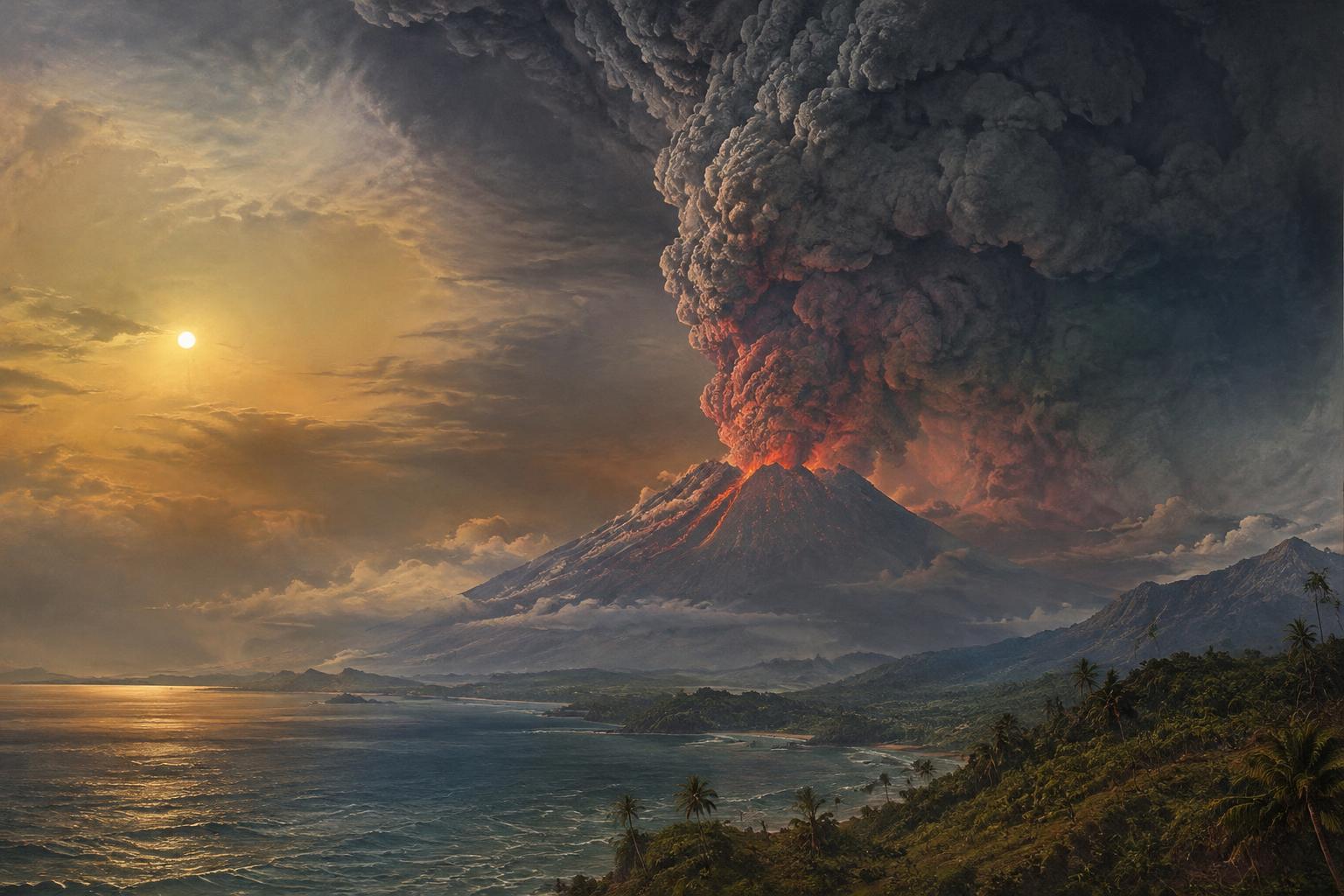
More than a year earlier, in April 1815, Mount Tambora erupted, sending enormous amounts of sulfur dioxide into the upper atmosphere. There, it formed tiny sulfate particles that reflected sunlight back into space.
The effects spread far beyond the volcano: the planet cooled, helping produce the strange conditions remembered as 1816's "Year Without a Summer." Parts of Europe and North America suffered exceptional cold, failed crops, and food shortages.
A vacation with terrible weather
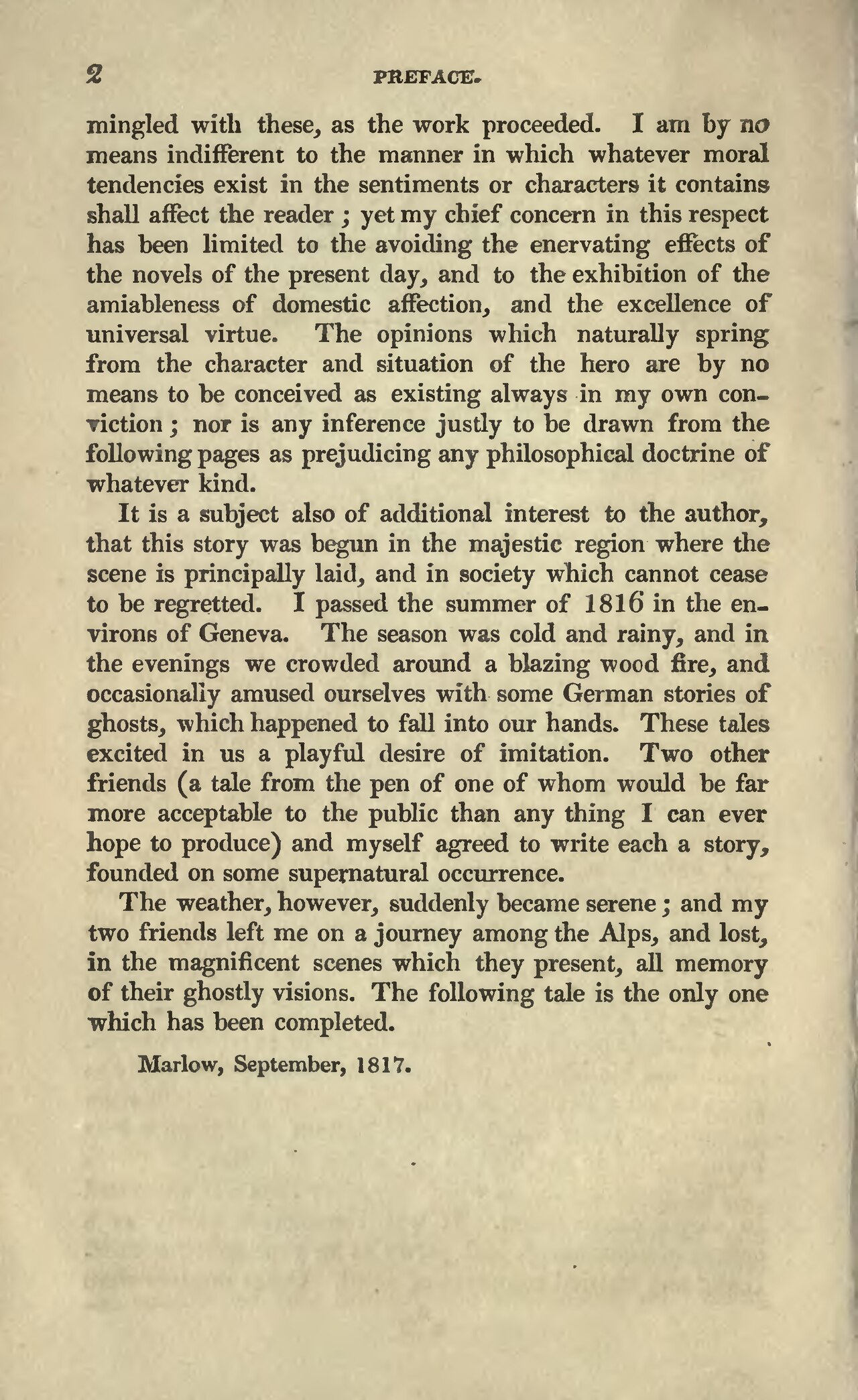
In the summer of 1816, Mary Shelley visited Switzerland with Percy Bysshe Shelley. Near Lake Geneva, they spent time with Lord Byron and his physician, John Polidori.
There were outings on the lake and walks along its shores. But rain repeatedly interrupted their plans. Recalling the summer in her 1831 introduction to Frankenstein, Mary wrote:
"Incessant rain often confined us for days to the house."
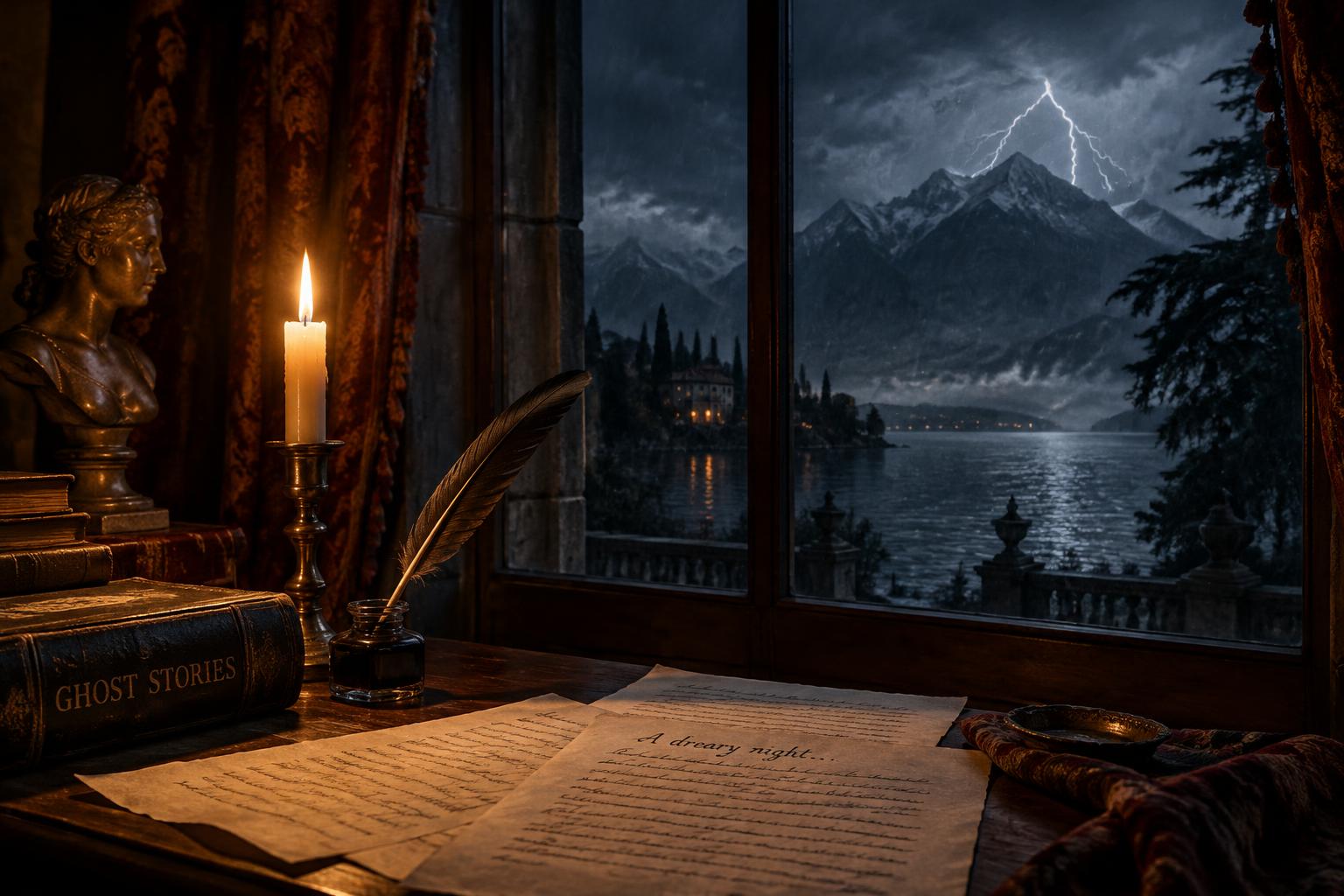
So they read ghost stories. Then Byron proposed a challenge: each of them would write one.

The monster didn't arrive on command
Mary struggled to find an idea. Each morning brought the uncomfortable question: had she thought of a story yet?
She hadn't.
Meanwhile, conversations wandered into unsettling territory. What was life, exactly? Could science create it? Could a dead body be brought back? They discussed galvanism—the electrical stimulation associated with experiments that made muscles move.
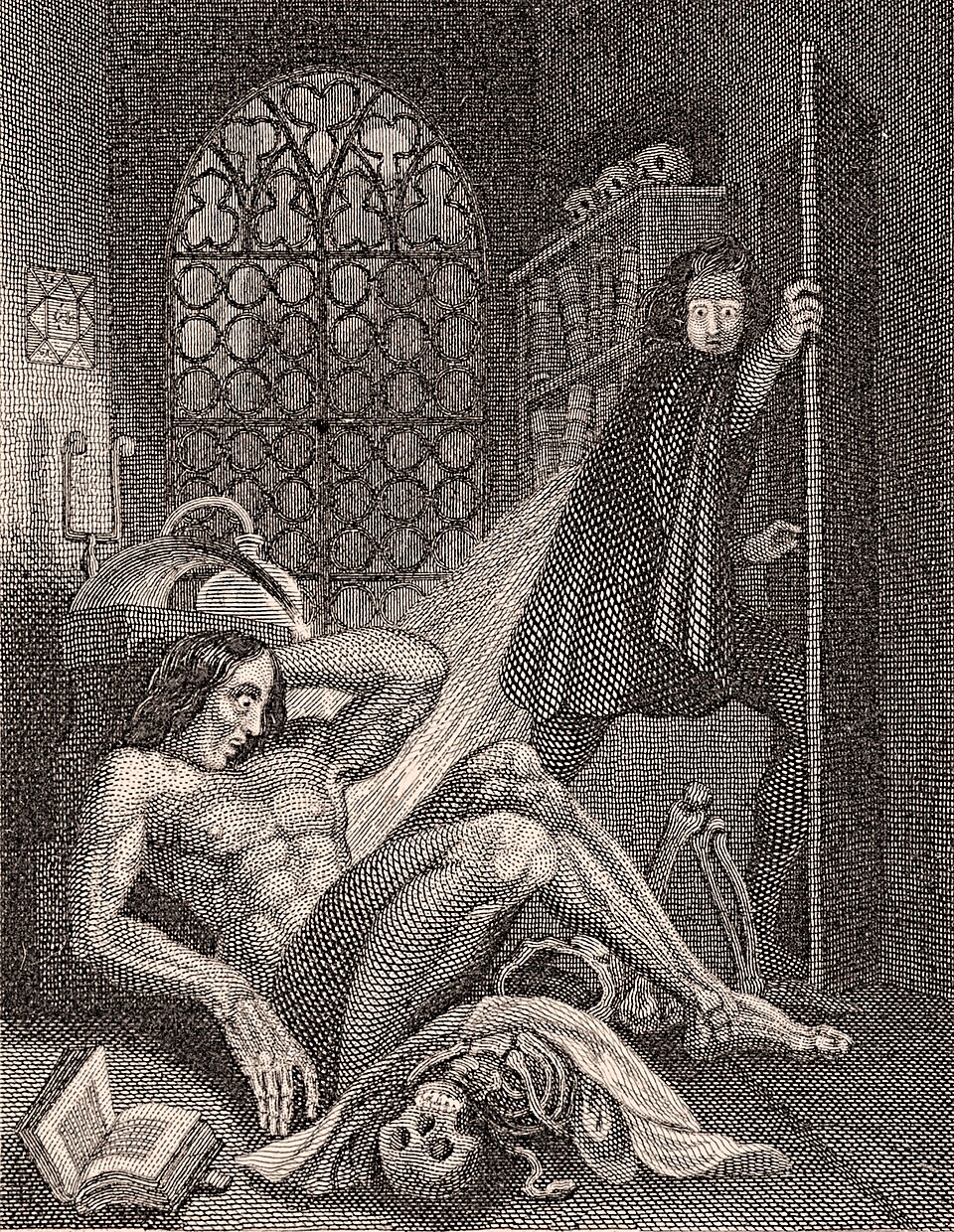
According to Mary's later account, after one late-night conversation she experienced a vivid waking vision: a young experimenter beside a body he had assembled, watching it begin to stir—and recoiling from what he had done.
She had found her story.
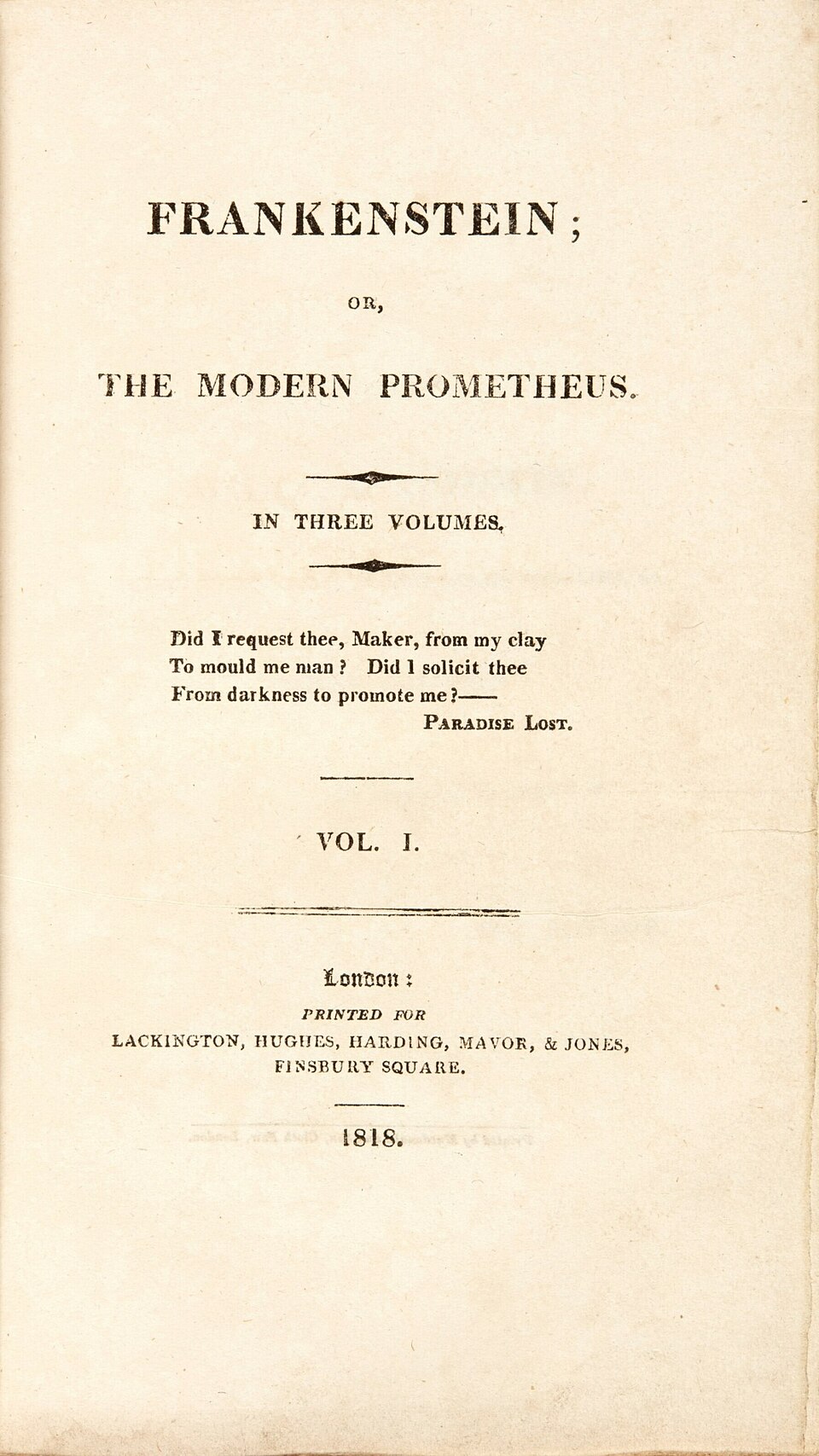
The idea grew beyond a short ghost tale. Mary developed it into a novel, completed it in 1817, and published Frankenstein in 1818. The rainy summer supplied an opening; bringing the book to life took imagination and sustained work.
Did a volcano create Frankenstein?
It helped create the circumstances.
Tambora altered the climate. Rain shaped the group's time together. Their reading, conversations, and writing challenge became ingredients in Mary's creative process.
We can't know what she would have written under a different sky. But the connection reaches from an eruption in Indonesia to evenings in Switzerland to a story still familiar two centuries later.
Something to notice
The space the weather opens
We usually judge weather by what it lets us do—or keeps us from doing.
But think about the conversation that lasted longer because rain delayed your departure. The unexpected stop you made to get out of the cold. The project you finally started during a weekend indoors.
A changed plan can become the beginning of something. Next time the weather rearranges your day, notice what happens in the space it opens.
Don't let life pass unnoticed.